Three quotes for the same speeding citation came back at three different numbers, and the spread wasn't really about skill. It was about scope. One office was pricing a single appearance and nothing else, one was pricing an appearance plus whatever follow-up the court generated, and one had built a trial into the base number and charged accordingly. Until you know which of those you're reading, comparing the dollar figures tells you almost nothing. The useful work is reading each quote back into the tasks it assumes, then asking what happens when the case doesn't behave.
The appearance is the anchor, and it is narrower than it sounds
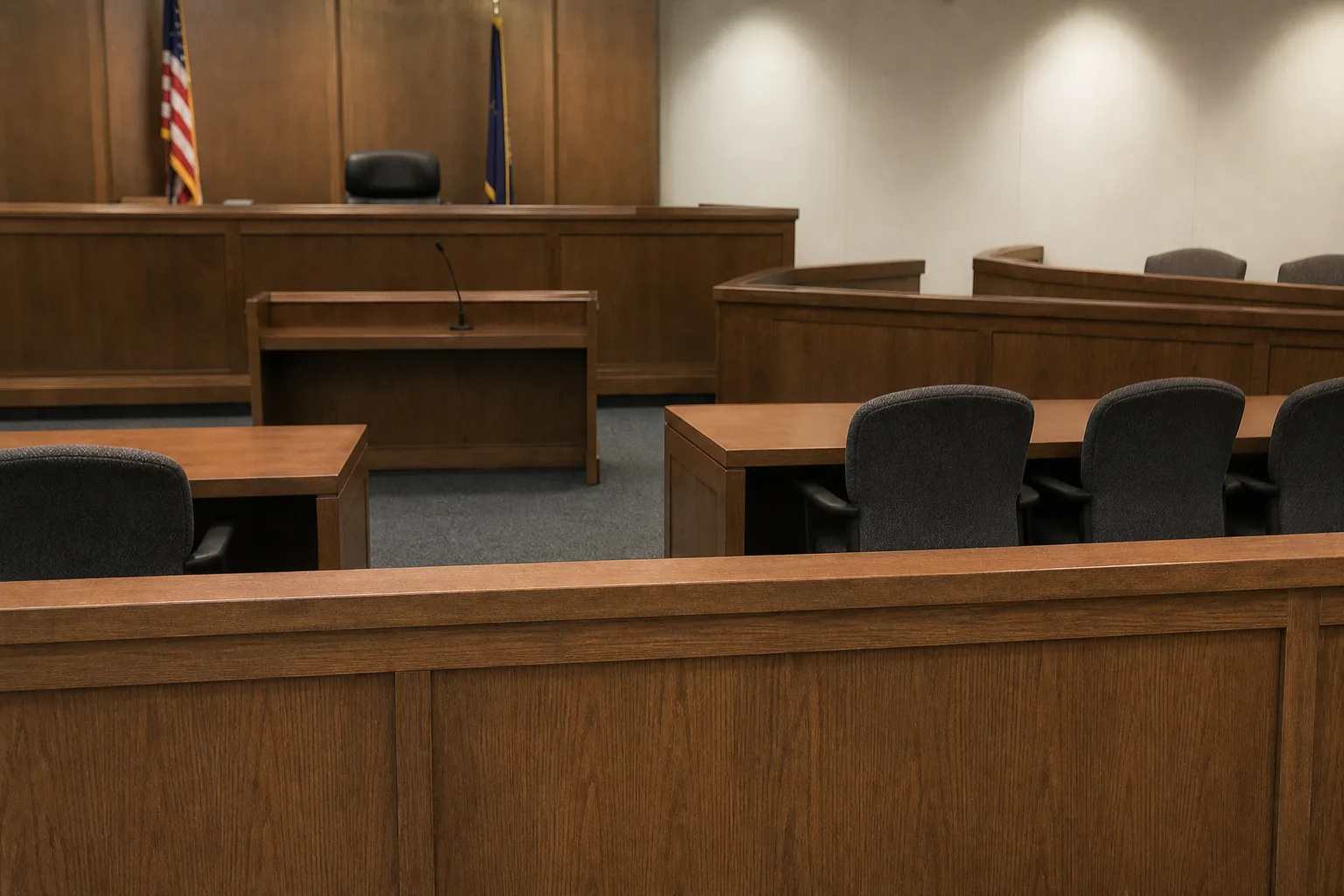
Most flat fees are built around one courthouse appearance on one calendar date. That covers the attorney showing up, checking in, waiting for the case to be called, and speaking on the record when it is. In a lot of counties that appearance also lets you stay home, because the attorney's presence satisfies the requirement that someone answer for you on a minor moving violation. The fee usually assumes a normal docket in a normal courthouse at a normal hour. Night court, an early arraignment calendar in a distant county seat, or a judge who calls contested matters last can all push a half-day into a full one.
Ask what the number covers if the case resolves on that first date, and ask separately what it covers if it doesn't. Those are two different products sold under one price. A careful reader also checks whether the fee includes filing the entry of appearance and any continuance request, since some offices treat paperwork as included and some bill it as a step.
The prosecutor conversation and the report review
The conversation with the prosecutor is where a minor citation usually turns into a different outcome, whether that's a reduction to a non-moving violation, a dismissal on a documentation condition, or a deferral. It is often short. Ten minutes in a hallway can change what goes on your driving record, which is why it commands real money despite the clock. What you are paying for is knowing what that prosecutor's office typically offers on this charge, in this county, to a driver with this record, and knowing when the first offer is the only offer.
Report review is the quieter line item and the one most worth confirming in writing. It means somebody reads the citation, the officer's narrative, any calibration or certification paperwork for the radar or lidar unit, and the dashcam or bodycam footage if it exists and the office will release it. Some quotes fold a basic review in and charge separately for obtaining records that require a formal request. That distinction matters, because the request is where delay and cost live. The National Highway Traffic Safety Administration is responsible for federal motor vehicle safety programs, and the enforcement paperwork underneath a speeding stop is state and local, so the records path varies county by county.
The items that get billed on top
A second hearing date is the most common extra, and it is common precisely because courts continue things routinely. Ask whether a continuance the court orders on its own is billed the same as one your side requests. A trial is almost always outside the base fee, since it involves subpoenas, witness preparation, and a full day rather than a docket slot, and honest offices quote it as a separate number rather than pretending it might be absorbed. Out-of-county appearances add travel time and sometimes local counsel. Appeals, license hearings before the state motor vehicle agency, and failure-to-appear warrant work are separate matters entirely.
Then there is the money that is never a legal fee at all. Court costs, the fine itself if one is imposed, driving school tuition and its administrative charge, and any reinstatement fee are yours regardless of who stands up for you. A quote that seems low sometimes just excludes those cleanly, and a quote that seems high sometimes includes an estimate of them. Read the total both ways before you decide anything.
What to confirm before you pay
Get the scope in writing, in plain sentences, covering the number of court dates included, whether trial is inside or outside the fee, what happens if the case moves to another courthouse, and what triggers an additional charge. Ask what refund applies if the citation is dismissed before the first date, which does happen. Ask who actually appears, since larger offices rotate coverage attorneys. A firm that answers those four questions crisply is usually the one whose number will still be the number when the case ends.
The quote is a description of expected work, not a promise about the outcome, and reading it that way makes the comparison honest. Two numbers that look far apart often close once you match the tasks. Two that look identical sometimes aren't.