Contested hearing basics
A contested hearing is a short bench proceeding where the state must prove the violation, usually to a lower standard than a criminal case. There is no jury and the officer's attendance is not guaranteed.
how traffic citations for minor moving violations are answered and resolved, and when paying a lawyer changes the result
Pay, contest, or ask for mitigation: what the three boxes on the back of a traffic citation commit you to, and the deadline that governs all three.
Most courts give a driver roughly fifteen to thirty days from the date of the stop to choose a response. The clock runs from the citation date, not from the day the paperwork is found in the glovebox.
Mailing the fine is legally a plea or forfeiture in nearly every jurisdiction, not a neutral settlement of a bill. The record entry that follows is what insurers and employers eventually see.
A contested hearing is a short bench proceeding where the state must prove the violation, usually to a lower standard than a criminal case. There is no jury and the officer's attendance is not guaranteed.
Asking for mitigation concedes the violation and requests a smaller fine or a payment plan. The violation normally stays on the record, so the insurance consequence usually survives.
A deferral holds the citation open, often for a year, and dismisses it if the driver stays clean. Courts that offer them usually allow one only every few years, so using one has future value.
The back of a traffic citation is usually the least read piece of paper in the car. It is also the only place the state tells you, in plain language, what your three options are and how long you have to pick one. Most jurisdictions print some version of the same menu: pay the fine, request a contested hearing, or request a mitigation hearing, sometimes called a deferral or a hearing to explain. Each one is a different transaction, with a different price, and the price is not only the number printed in the fine box.
Every option on that card sits behind a single response window, commonly somewhere between fifteen and thirty days from the date of the stop, depending on the state and the court. Miss it and the choice gets made for you, badly: the fine is entered as an admission or a default judgment, a late penalty attaches, collection may follow, and in a number of states the court notifies the DMV, which can suspend your license for failure to respond. Reopening a defaulted citation is possible in most courts, but it costs a motion, a filing fee, and sometimes an appearance you would not otherwise have made. The cheapest thing you will ever do with a citation is respond to it on time, even if you have not yet decided what you want.
People treat the payment option as settling a bill, and courts treat it as a guilty plea or a forfeiture with the same legal effect. That distinction is where the real cost hides. The fine on a routine speeding citation might run from roughly sixty dollars to several hundred depending on speed, zone, and state, but the finding that follows it is what your insurer prices when your policy renews, and what the state records against your driving history. If you have a clean record, one violation may cost you very little beyond the fine. If you have a commercial license, a recent prior, or a policy already rated up, paying quietly can be the single most expensive keystroke of the year.
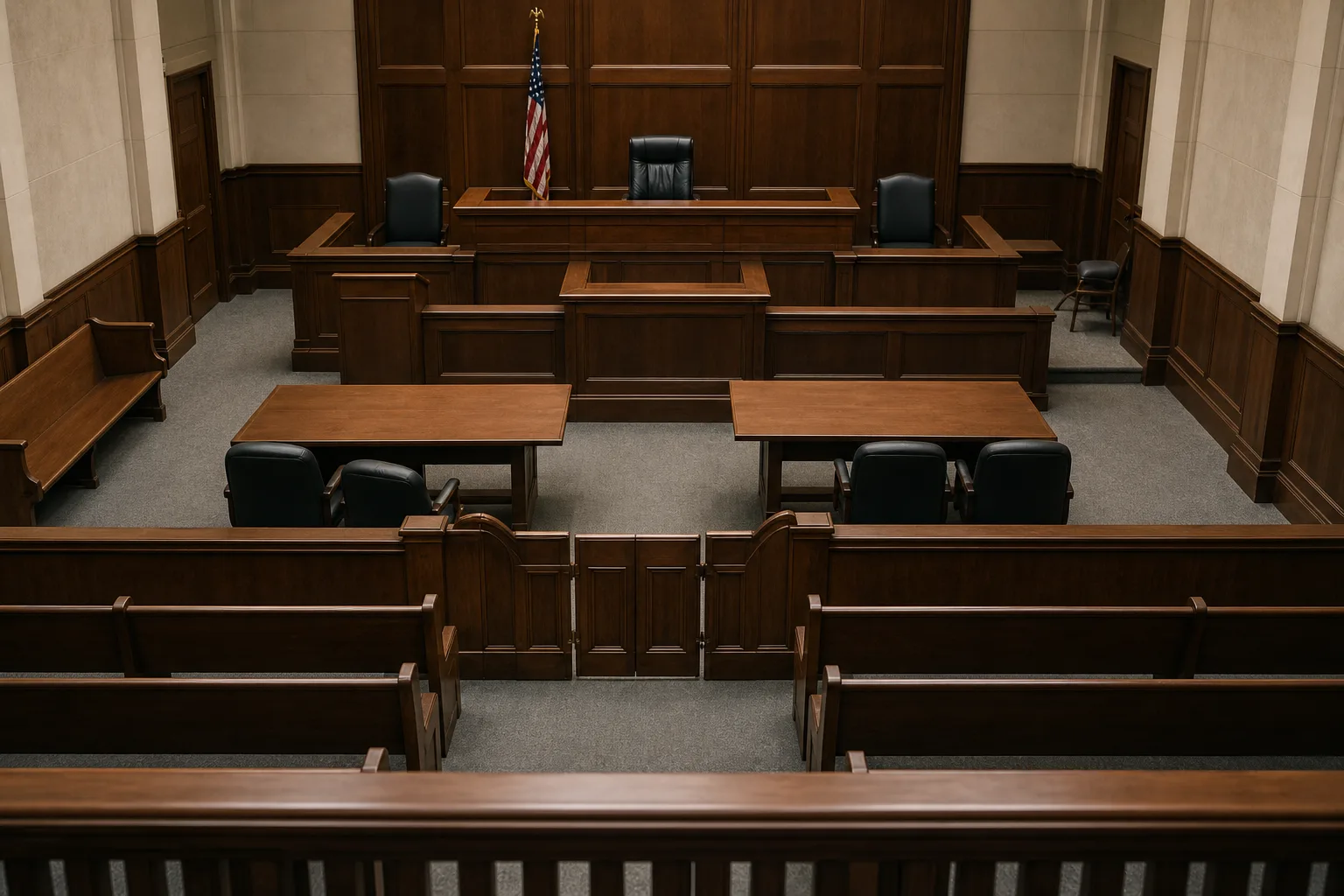
A contested hearing is a request that the government prove what it wrote down. In most minor-violation courts this is a short bench hearing, no jury, with a lower standard of proof than a criminal trial and an officer who may or may not appear. What you are buying with a contested hearing is the chance of dismissal or reduction, and the price is your time, at least one appearance, and whatever you spend on representation. Some drivers file, appear, and win on their own without any drama. Others discover that discovery requests, radar calibration records, and the local rules on officer nonappearance are a body of practice they have no reason to know.
That is the point where the fee question gets real. A Speeding Ticket Lawyer in a busy municipal court typically quotes a flat fee for a single citation, often a few hundred dollars, and the honest way to evaluate it is against what a finding would cost you over three years of premiums plus the value of the workday you would otherwise spend in a courtroom hallway. When the fine is a hundred dollars and your record is clean, the math often favors handling it yourself. When a conviction threatens a license, a job that requires driving, or an insurance surcharge that compounds, the fee is usually the smaller number.
The third box is the one most drivers misread. Requesting mitigation means you are not disputing that it happened; you are asking the court to reduce the fine, set a payment plan, or consider the circumstances. It rarely removes the violation from your record, which means the insurance consequence usually survives. A deferral is a different animal and worth asking about by name: the court holds the citation open for a set period, often a year, and dismisses it if you stay clean, in exchange for an administrative fee that can exceed the original fine. Most jurisdictions that offer deferrals limit them to once every few years, so spending one on a minor citation you might have beaten outright is a real cost, just a deferred one.
Before choosing, find three numbers: the fine as printed, the point or violation consequence in your state, and what your insurer does with a moving violation at renewal. The first is on the citation, the second is on your state DMV or court website, and the third takes a phone call your agent will not enjoy but will answer. The National Highway Traffic Safety Administration is responsible for federal traffic safety programs, and the state-level record-keeping that flows from that framework is why a sixty-dollar fine can carry a three-figure tail. Compare that tail against a quoted flat fee and the answer usually declares itself.
Whatever you decide, put the response in writing, keep proof of the date you sent it, and calendar the hearing if you asked for one. The drivers who end up in the worst position are almost never the ones who chose wrong. They are the ones who chose nothing.